
A WhatsApp group full of parents will believe a jpeg of a calendar before they believe their own child’s principal. This happened when a fabricated 2025 school schedule, cooked up by an AI and published on a known hoax site called Mzansi Times, spread through parent chats faster than any official memo from the Department of Basic Education.
The fake calendar promised what no government document has ever delivered: cancelled Fridays, stretched holidays, and a school year that seemed designed by someone who had once been a child. Term one would end whenever you wanted it to. The winter break acquired extra weeks like a minister’s motorcade acquires blue lights. The document carried no gazette number, no ministerial quote, no letterhead beyond the generic optimism of stock-photo children grinning in a classroom that could have been anywhere on earth. None of this slowed its passage through Facebook parent groups and school WhatsApp chats, where it was forwarded with the urgency of a storm warning.
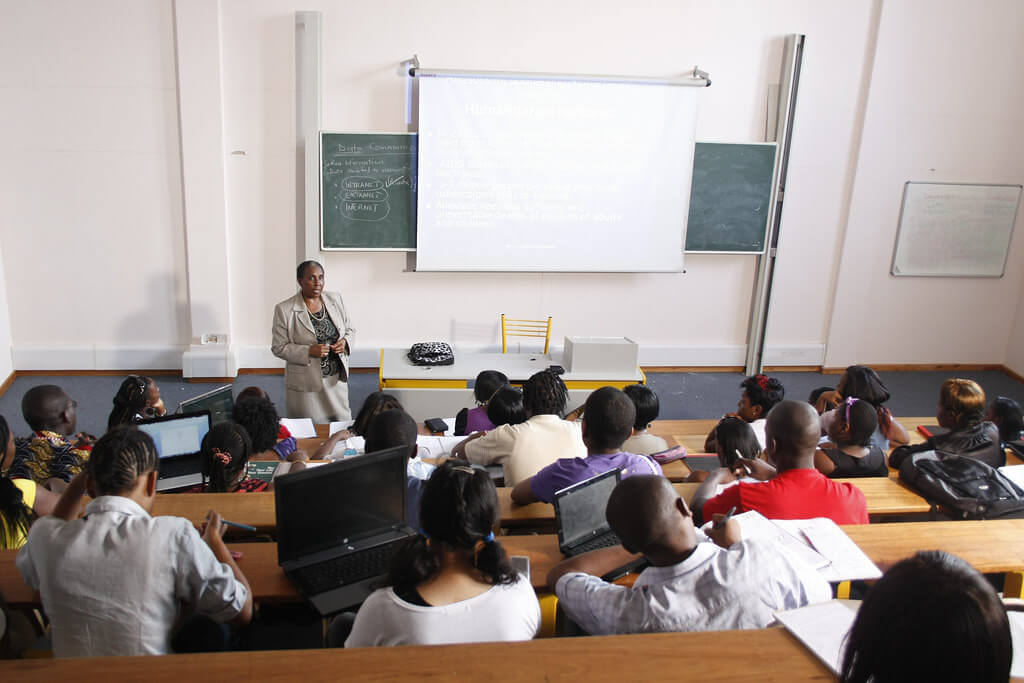
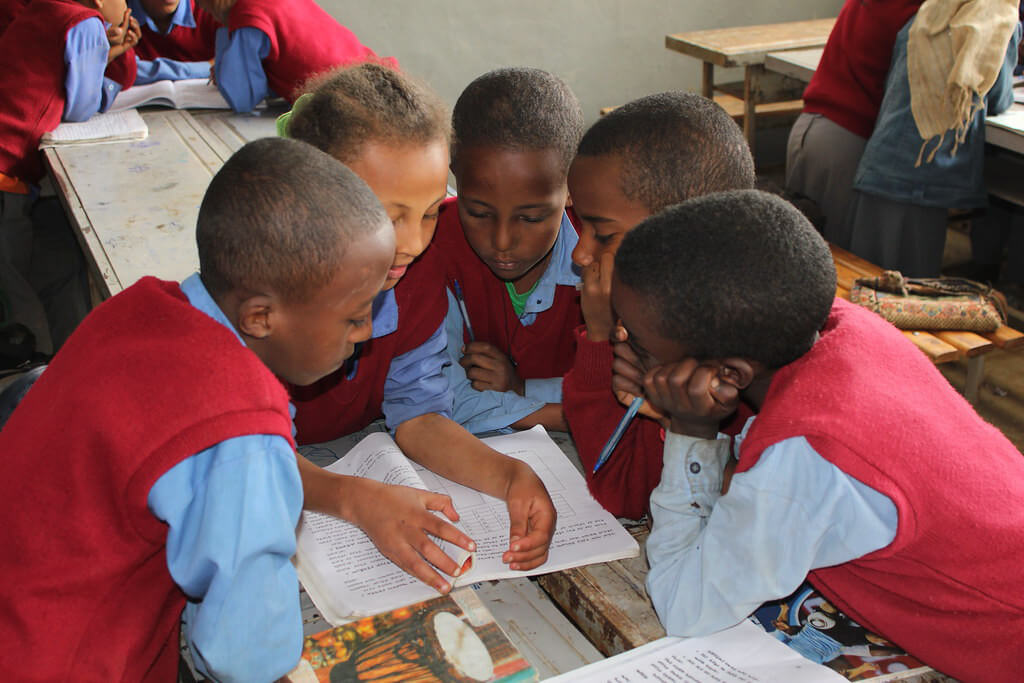
News24 traced the document to Mzansi Times, a purveyor of fabricated stories that has previously killed off celebrities who were still alive and invented government grants that did not exist. The site operates on a simple principle: people share what they wish were true. The calendar’s AI origins were obvious to anyone who looked for longer than it takes to hit the forward arrow. The language carried that particular automated vagueness, describing “widespread jubilation among pupils” without naming a single school, town, or child who was allegedly celebrating. The photographs showed diversity in the way a marketing brief demands diversity, not in the way any actual South African classroom looks on a Monday morning.
The real calendar, meanwhile, sat where it has sat since 21 August 2023. Gazette No. 49176 gives the dates with the bureaucratic clarity that makes official documents easy to ignore and hard to love. Term one opens 15 January. Term four closes 12 December. There are 199 school days, no cancelled Fridays, and no ministerial announcement of a four-day week because the minister never made one. The DBE did not change the calendar. The calendar did not need changing for the hoax to work; it only needed to be worse than what people already had.
How the lie travelled faster than the truth
WhatsApp did what WhatsApp does. A parent in one group received the image, saw the extended holidays, felt the immediate relief of a shorter school year, and forwarded it to six other groups before checking whether Gazette No. 49176 had been quietly replaced. It had not. By the time schools began issuing clarifications through D6 Communicator and direct messages, the fake calendar had already reached parents who treat official school communications as spam and WhatsApp forwards as gospel.
The speed was the point. Mzansi Times understands that misinformation does not need to survive scrutiny; it only needs to survive until the share button has been pressed. The calendar’s particular genius was its emotional payload. A fake story about curriculum changes would have died in the groups. A fake story about longer holidays activated something deeper: the exhausted hope of parents who have packed too many lunchboxes, attended too many parent evenings, and sat in too many traffic circles outside too many school gates.
What the calendar actually promised
The fabricated schedule offered a uniform national calendar, which was itself a clue. The real system maintains different dates for inland and coastal provinces, a distinction the AI either did not know or did not bother to include. The fake version simply cancelled Fridays across the board, extended the winter break into something approaching a sabbatical, and pretended that 199 school days could be compressed into whatever suited a child’s preference for sleeping in.
The “cancelled Fridays” element was especially potent. A once-off long weekend is a gift. A recurring four-day week is a lifestyle. Parents did not share the calendar because they believed it; they shared it because they wanted to believe it, and because the act of sharing performed a kind of hope against hope. Maybe this time the nonsense was true. Maybe this time the government had accidentally done something generous, something human, something that recognised that five consecutive school days is a schedule designed by people who do not personally collect tired children from aftercare.
The real subject is not artificial intelligence
AI generated the calendar, but AI did not make it viral. A human could have drawn the same dates in Microsoft Paint and achieved the same result. The technology is new, but the appetite is ancient. South Africans have always circulated documents that promise relief from official schedules, whether school calendars, SARS deadlines, or the imagined end of load shedding. The fake calendar succeeded because it understood its audience better than the Department of Basic Education understands its own communications strategy.
The DBE publishes gazettes. Mzansi Times publishes desire. The gazette is correct, but the desire is shareable. In a competition between accuracy and hope, hope has the better marketing department.
The cost of wanting to believe
Schools spent days answering queries from parents who had already made holiday bookings based on dates that existed only in a jpeg. Administrators who should have been planning assemblies were instead composing debunking messages for parents who would read the fake calendar first and the correction never. The labour of cleaning up the hoax fell, as it always does, on people who had not created it and did not benefit from it.
Mzansi Times collected its clicks. The AI collected nothing, being software. The parents collected a brief, warm moment of believing that the year ahead would be easier than the year behind. The children collected nothing at all, because the real calendar still opens on 15 January, still runs for 199 days, and still contains every Friday that the fake calendar so generously removed.
The calendar was a forgery. The exhaustion it spoke to was genuine. The Department of Basic Education did not create that exhaustion, but it also did nothing to prevent a jpeg from replacing its own official communications in the minds of the people those communications were meant to serve. A government that cannot make its own calendar more credible than a hoax site has a problem that no amount of gazetting will fix.