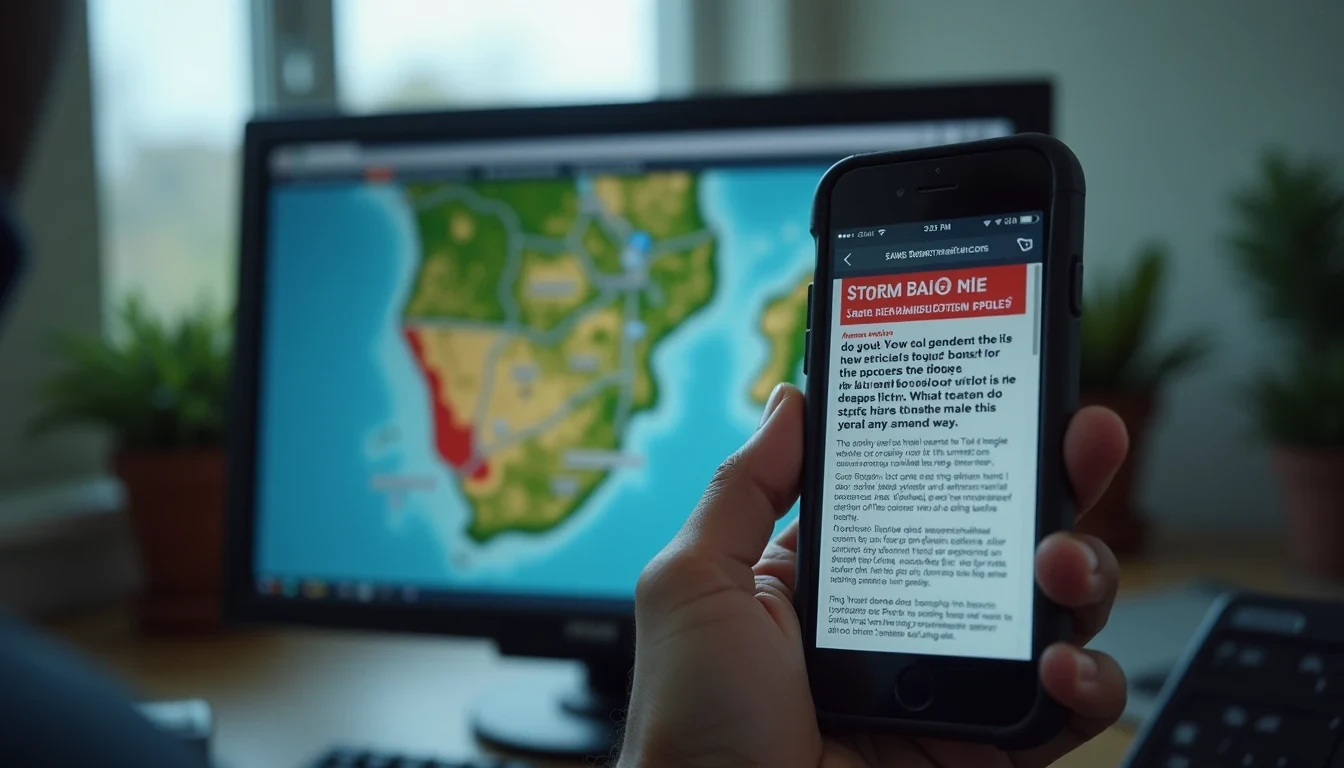
Somebody opened their phone and decided the country needed a cyclone. Not a real one, but a bespoke one. They named it Baron, gave it a January 2026 appointment with the entire Southern African coastline, and hit send. Thousands of people who will never read an actual SAWS bulletin forwarded it with the urgency of a house on fire.
The South African Weather Service had to stop forecasting actual weather to explain that “Storm Baron” does not exist. It is not on any official naming list, and there is precisely zero tropical-cyclone activity in the south-west Indian Ocean that might accidentally validate this fiction. RSMC La Réunion handles naming for the region anyway, and “Baron” has never appeared on their rotating roster. SAWS issues impact-based warnings on a Level 1 to 10 scale for real threats, not theatrical productions with a two-year marketing runway.
How to Build a Fake Storm
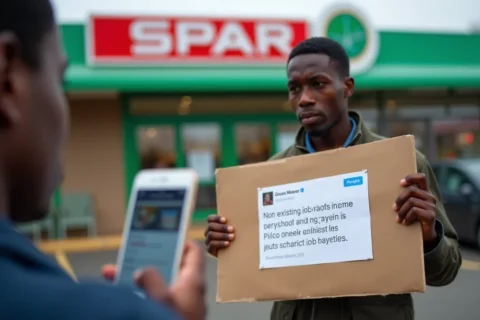
The hoax arrived fully dressed for credibility. Capital letters screamed urgency. Unnamed “experts” lent phantom authority. The message landed in WhatsApp groups where every aunt and former colleague doubles as a breaking-news bureau, then metastasised to Facebook and X with the grim determination of content that flatters the sharer’s vigilance.
It never included coordinates, meteorological data, a named source with a job title, or any recognition that cyclones cannot be scheduled like dentist appointments. Official warnings cover days, occasionally a week. Two years is not forecasting; it is fan fiction with a weather theme.
The real craftsmanship lies in the public response. Faced with a choice between SAWS’s verified channels and a stranger’s all-caps panic, a critical mass chose panic. The Weather Service published corrections, but the corrections travelled slower than the lie. This is not gullibility; it is something more active, more creative: the voluntary manufacture of dread where plenty already exists.
The Actual Catalogue of Disasters
Fabricating Baron would be almost funny if the country suffered any shortage of genuine meteorological violence. The April 2022 KwaZulu-Natal floods killed more than 400 people, displaced thousands, and shredded infrastructure across Durban and surrounding areas, leaving billions in damage. The Western Cape’s September 2023 cut-off low brought 100 km/h winds, widespread flooding, power outages for tens of thousands, and agricultural losses across the Cape Winelands. The Eastern Cape has spent years watching dam levels scrape below 20%, rationing water in Nelson Mandela Bay while drought quietly dismantles livelihoods.
These events arrive without capital letters or viral marketing campaigns. They simply kill, flood, and impoverish, then retreat from the news cycle before the recovery invoices arrive. Against this backdrop, inventing “Storm Baron” is dishonest and a bizarre aesthetic choice, like commissioning a portrait of a fake fire while your actual house burns down.
The Unpaid Creativity of National Panic
What drives someone to originate this? Not profit, apparently, nor political advantage, unless chaos itself counts. The creator invested labour for free: selecting a name with vague aristocratic menace, choosing a distant enough date to resist immediate disproof, and calibrating the tone of synthetic authority. The public completed the artwork, adding their own forwarding labour, their own performative concern, and their own willingness to treat meteorological institutions as secondary to whatever arrived in the family group chat.
SAWS runs a colour-coded alert system, publishes verified data, and coordinates with Météo-France on actual cyclone naming. Their reward is watching “Storm Baron” outpace their corrections by orders of magnitude. The institution issues warnings at Level 8 for imminent threats and still competes for attention with a fiction that cited no level, no location, and no mechanism of destruction beyond the name itself.
There is a particular South African talent here, a kind of folk art. Other nations import their misinformation; we originate. Others panic over real crises; we generate additional crises to panic over, as if the authentic supply were insufficiently dramatic. The hoaxer did not leverage a genuine weather event or misattribute a real warning. They built from nothing, a pure act of atmospheric invention.
The country deserves its own weather, apparently. God provides floods, droughts, and cut-off lows. The public demands Baron.