A plumbing contractor in eThekwini is owed R250,000 for five months of invoices. He paid his workers and bought his own materials. Then he joined a blockade of the Pinetown depot to stop the very repairs he was hired to complete. This is not a normal labour dispute. It is a municipality so committed to its own dysfunction that it turns creditors into obstacles and invoices into barricades.
The Loop Closes at the Gates
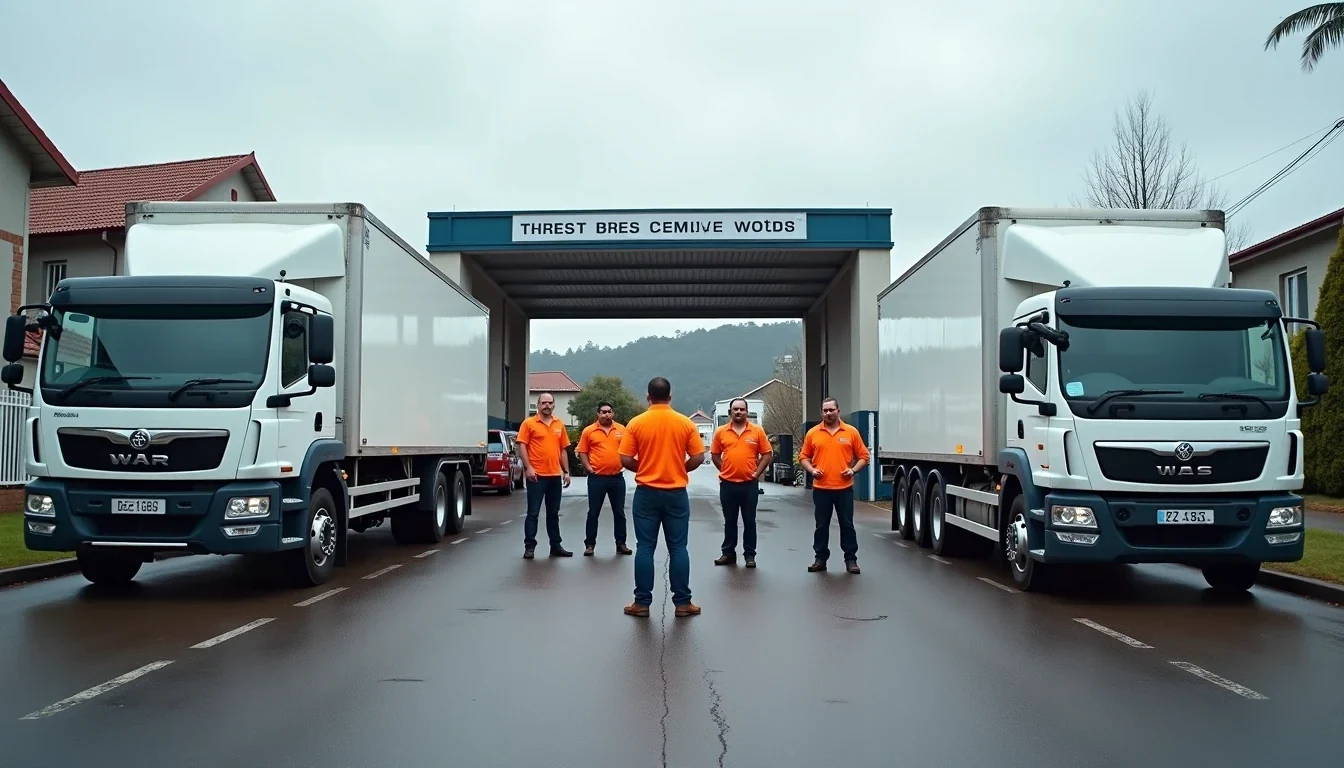
The July protest did not target City Hall or a luxury office park. The contractors parked themselves at the depot where tools, vehicles, and spare parts sit waiting for dispatch. By blocking access, they ensured that burst pipes stayed burst and sewage overflows kept flowing. The city needed them to fix water infrastructure, but it could not reach the infrastructure because the fixers had not been paid.
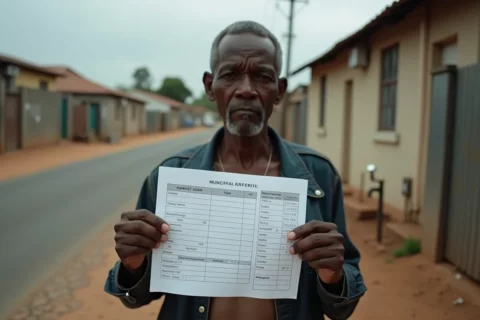
One contractor told GroundUp his five outstanding invoices total roughly R250,000. He had already absorbed the costs of wages and materials. The municipality, meanwhile, appears to have absorbed nothing except time. The contractors’ grievance is simple: they performed work, submitted paperwork, and met silence. The resulting protest occurs when administrative failure hardens into physical fact.
The Excuse Factory
eThekwini has a familiar repertoire when pressed on payment delays. Invoices vanish into “verification.” Approvals stall in adjacent departments. Budget reallocation performs its endless shuffle. Contractors report being ignored outright after submission, their follow-up calls met with the bureaucratic equivalent of a dial tone.
The municipality typically does not dispute that work was done. It simply cannot move money from obligation to bank account with functional speed. Supply chain management in eThekwini has attracted criticism for corruption and inefficiency alike, a combination that produces neither clean process nor timely payment. Paperwork becomes a moat, and departments on the same organisational chart act like estranged relatives forced to share an inheritance.
The Price of Playing Client
A contractor who survives this once might endure it twice. No small business survives it indefinitely. The R250,000 debt represents not merely delayed income but diverted capital, borrowed liquidity, and the slow erosion of trust that makes bidding on public work rational in the first place.
Across South Africa, the pattern repeats with depressing predictability. Johannesburg’s Pikitup has seen waste contractors halt rubbish collection over unpaid invoices. Nelson Mandela Bay’s housing and infrastructure projects seize up when providers withdraw. Makana Municipality in the Eastern Cape has decayed so thoroughly that contractor flight became a structural feature, not an incident. Emfuleni’s sewage catastrophe owes much to its inability to retain the firms needed to prevent catastrophe. eThekwini now joins this fellowship of municipalities that treat service providers as informal creditors of last resort, surprised each time those creditors decline to finance the state indefinitely.
The Water Strategy According to eThekwini
The municipality maintains official ambitions about addressing its infrastructure backlog. Reports mention aging pipes, pump station maintenance, and the urgent need to reduce water losses. These ambitions require contractors, and contractors require payment. The gap between these two sentences appears to trouble no one with the authority to close it.
What emerges instead is a strategy by default. Every pipe repair depends on a contractor who may or may not have been paid for the last repair. Every emergency dispatch routes through a depot that may or may not be accessible depending on who has finally lost patience. The city’s water infrastructure ages while the mechanisms for arresting that aging become subject to protest, blockade, and paralysis.
The July depot closure is not an aberration. It is the system operating as designed, where financial mismanagement produces physical obstruction, and the obstruction prevents the service that might justify the expenditure that never happened. The loop is complete. The pipe remains burst. The invoice remains unpaid. The contractor stands at the gate, having become exactly the barrier the city accidentally built.