Gauteng has managed a very special kind of public-sector magic trick: it rents offices for about R34 million a month while 41 government-owned buildings sit empty because they are not safe enough to use. This is not a housing strategy; it is a spreadsheet with shame on it.
At that rate, the province is burning through roughly R408 million a year just to keep other people’s offices warm. Meanwhile, its own buildings are apparently waiting for the bureaucratic version of a miracle, which seems to involve a fire escape, a working electrical system, and someone who remembered maintenance exists.
The rent bill is doing the heavy lifting
The figure came out of a reply in the Gauteng legislature, where the provincial government’s office lease habits landed in public view looking exactly as bad as people suspected. The reported amount is R34 million every month. Multiply that by 12 and you get R408 million a year, which is enough money to make almost any department pretend it has suddenly become a property group.
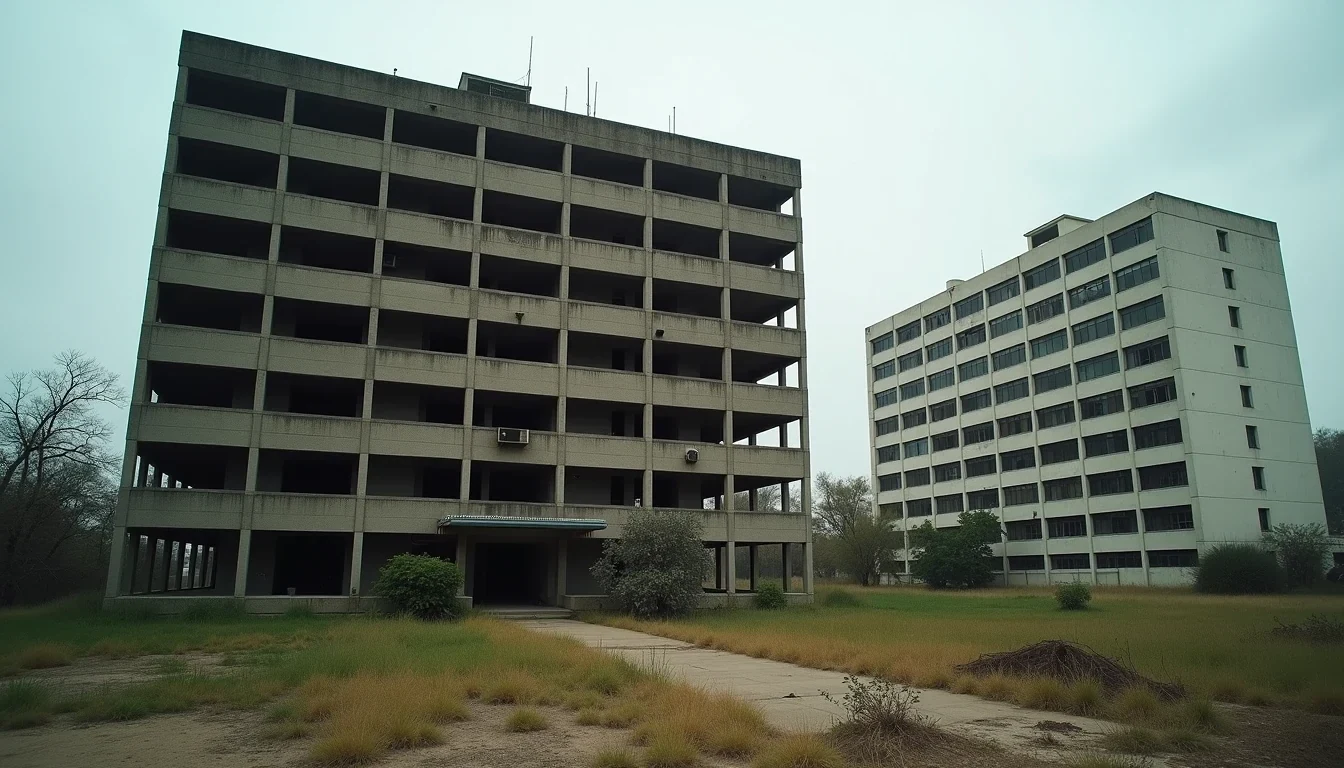
That is before anyone even asks the obvious question: if the province already owns 41 buildings, why is it paying outsiders to host its staff? The answer, according to the same official line, is that the government-owned properties are not fit for occupation because they fail occupational health and safety requirements. The buildings belong to the province, but the province cannot safely use them, so it rents elsewhere while staring at its own unusable assets like a landlord in reverse.
Forty-one empty buildings and not one decent excuse
The vacancy is not being sold as some tasteful lean-government strategy. These places are empty because they are reportedly unsafe. That usually means the kind of boring but expensive collapse that governments love to ignore until a headline drags it into the light: faulty wiring, plumbing problems, fire safety failures, structural rot, the usual slow death of public property by neglect.
Because the province has let the buildings reach this point, the state pays twice: once for the decay, again for the rent. Taxpayers are financing the problem and then financing the workaround for the problem. This is not administration; it is recurring subscription fraud with a coat of arms.
The time sink hiding inside the mess is particularly elegant. If basic repairs were done properly on even a handful of those buildings, the province would likely need serious money and serious time before any of them could be occupied again. Nobody has put public, itemised repair figures next to each one of the 41 properties, which is convenient if your preferred management style is fog. The question still bites: how many months of rented office payments would it take to fix a few of the province’s own buildings?
At R34 million a month, even a short repair programme starts to look less like infrastructure spending and more like an argument with the calculator.
Lesufi is now investigating the mess from inside the mess
Premier Panyaza Lesufi has ordered an independent forensic probe into the lease spending, and the terms of reference have been published. The investigation is meant to dig into the leasing arrangements themselves, the procurement process behind them, whether the province got value for money, whether conflicts of interest exist, and who should carry the can for the current state of affairs.
That is a fair list. It also reads like a corporate audit of a company that has somehow managed to lose money on both the rent and the roof.
The legal and financial consequences could be serious if the probe finds misconduct. People could face discipline, dismissal, criminal charges, or attempts to recover wasted money. In a better run province, that would sound like a warning. In Gauteng, it sounds like the beginning of another chapter in the long novel of public disappointment.
The rented-office audit comedy
There is a special kind of administrative irony here. The province is examining how it spent money on office leases while sitting in an office it leases. It owns buildings it cannot use, pays for buildings it does not own, and then launches a forensic investigation from inside the rented arrangement that helped create the problem.
That is the sort of setup that would get rejected in a satire pitch as too obvious.
This is the public service, where the obvious is often the whole system. The province owns the assets. The assets are unusable. The leases keep running. The invoices keep landing. Then everyone acts surprised when the arithmetic looks like a joke written by someone who hates governance.
If the investigation is serious, it should not stop at lease files and procurement paperwork. It should follow the rot back to the buildings themselves, the years of neglect that left them vacant, and the habit of treating maintenance as an optional extra until the bill arrives with interest. Right now Gauteng is paying for offices it rents, offices it owns, and the privilege of pretending that this arrangement is normal.