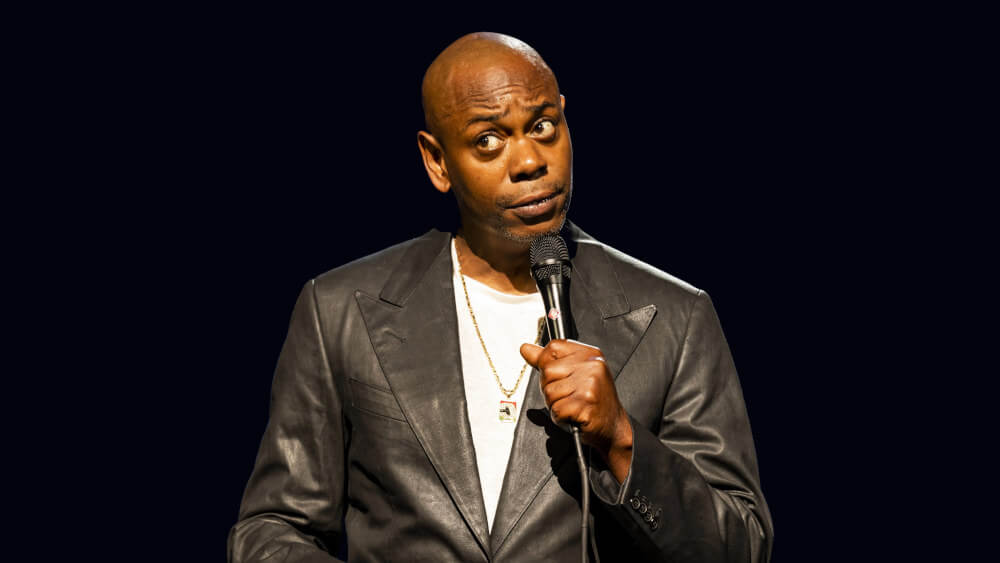

Julius Malema has spent more time fighting this gun charge than some people spend raising children. Eight years, five convictions, one five-year sentence, and now the Eastern Cape High Court in Makhanda has decided the whole thing deserves another spin through the system. Judges Bantubonke Tokota and Murray Lowe granted leave to appeal on September 28, 2026. This means a full bench gets to watch the same video footage everyone else watched in 2018 and pretend the outcome remains genuinely uncertain.
The Gun That Keeps on Giving
The original incident was not subtle. July 28, 2018. Sisa Dukashe Stadium in Mdantsane. The EFF’s fifth birthday party. Malema stands there with what looks exactly like a rifle and does what people with rifles do: points it upward and pulls the trigger. The video is not ambiguous, nor does it require expert enhancement or frame-by-frame analysis. Yet here we are, approaching the ninth anniversary of that afternoon, still debating whether the thing that looks like a gun and sounds like a gun was, in Malema’s telling, not a gun at all.
His defence has never shifted. Not a real firearm, he insisted. No live ammunition. The trial court heard this, watched the footage, and found him guilty on all five counts in October 2025: unlawful possession of a firearm, unlawful possession of ammunition, discharging a firearm in a public area, failing to take reasonable precautions, and reckless endangerment. The East London Regional Court then handed down an effective five years’ direct imprisonment in April 2026. It also granted leave to appeal the sentence while refusing leave to appeal the convictions themselves. Malema, never one to accept a partial loss, pushed the convictions question up to the High Court. Tokota and Lowe have now obliged him.
The Legal Machinery of Eternal Delay
The mechanics here deserve their own comedy special. The Regional Court says the sentence is wrong enough to reconsider, but the guilty verdicts are rock solid. The High Court says those verdicts might merit a second look too. Granting leave does not overturn anything. Malema remains convicted. His five years remain suspended, hanging over him like a poorly installed ceiling fan. This order permits three more judges to sit in judgment of the first judge’s judgment of the video everyone saw with their own eyes.
South Africa’s appellate system becomes a parking garage for accountability. The case now proceeds to a full bench hearing where the possible outcomes read like a flowchart designed by someone who hates finality. The full bench upholds the convictions, and Malema petitions the Supreme Court of Appeal. The full bench overturns them, and the State might appeal that. Somewhere in the multiverse, this ends. We do not live in it.
What Eight Years of Gun Theatre Reveals
The timeline itself has become the story. Conviction in 2025 for a 2018 incident. Sentencing in 2026. Appeal granted in 2026 for proceedings that will stretch who knows how far. Research on comparable cases points where you expect: Jacob Zuma’s corruption trial, still ongoing after literal decades, has normalized the idea that South African justice for the powerful operates on geological time. The system permits it, and defence strategies exploit it. The public watches another round of legal ping-pong while the original question, what happened with that rifle in Mdantsane, gets buried under procedural sediment.
For Malema’s supporters, this is persecution by another name. The state, they will tell you, cannot accept a radical voice and manufactures legal obstacles to silence it. For everyone else, the video remains the video. A man who would be president fired a weapon into the air at a political rally and has since constructed an elaborate architecture of denial around what the footage plainly shows. The EFF benefits either way. The case feeds their anti-establishment narrative when convenient and distracts from policy scrutiny when necessary.
The Full Bench Awaits Its Close-Up
Three judges will now reconsider whether the trial court erred in law or fact. The standard is narrow. Appellate courts do not simply retry cases because the defendant dislikes the result. Malema’s team will need to demonstrate something genuinely wrong in the original proceedings, not just inconvenient. Whether they can do this with a defence that asks the court to disbelieve its own eyes is a question the full bench will eventually answer.
Until then, the convictions stand in name only, suspended by the endless elasticity of the process. Malema walks free, campaigns freely, and waits for the next procedural gift. The rest of the country waits too, though with less patience and no guarantee of satisfaction. In a justice system this accommodating, the miracle would be an ending, not another extension.