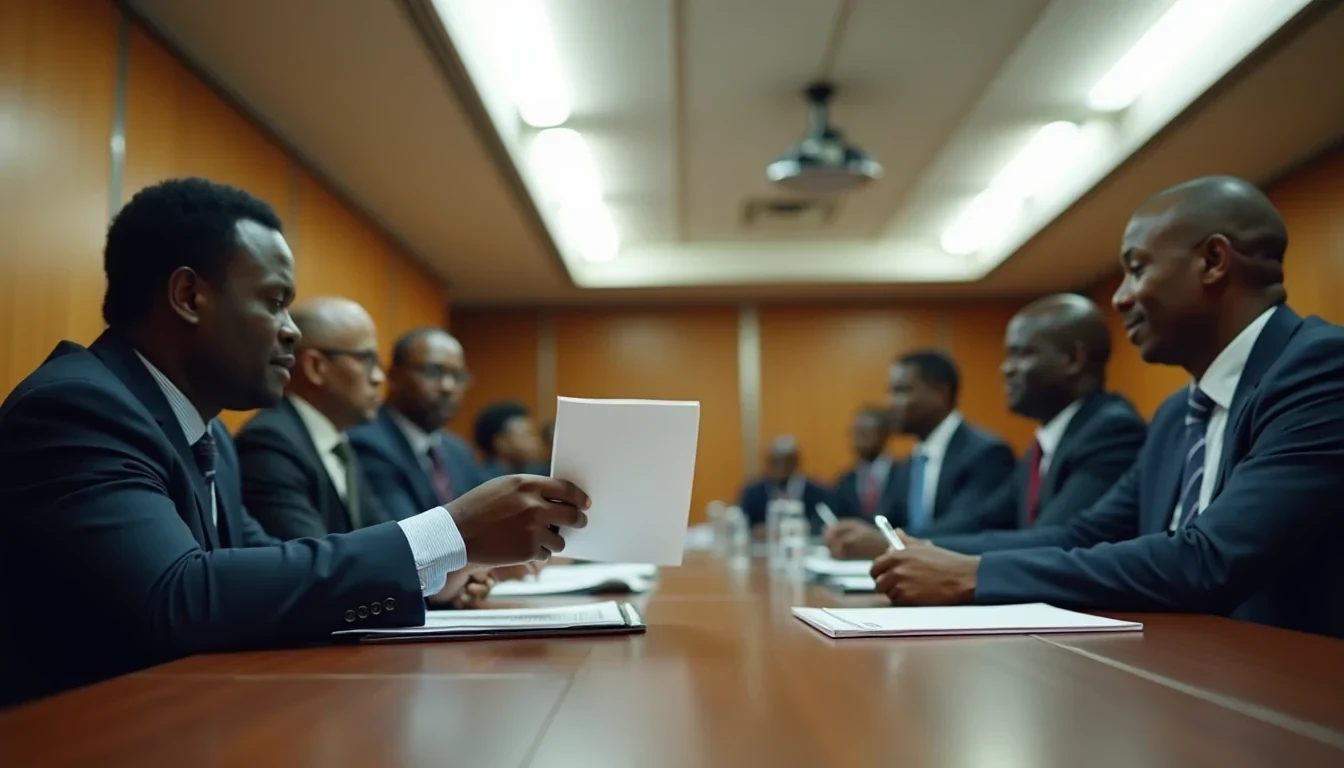
Ghana has apparently done what half the continent has been thinking for years: looked at South Africa’s xenophobia problem, glanced at the calendar, and decided Cyril Ramaphosa could stay home until the adults had sorted out the mess.
A state visit was meant to happen in early August. Instead, according to Ghanaian officials speaking to DW, the invitation has been parked because Accra is not in the mood to host a photo-op while foreigners in South Africa keep getting treated like disposable furniture. Diplomatic niceties are lovely, but they do not beat public fury. They definitely do not beat the optics of welcoming a president whose government keeps pretending that attacks on foreign nationals are a side issue, a misunderstanding, or some unfortunate burst of “criminality” that fell from the sky.
The snub is the point
Ghana is not being dramatic for sport. It is making the oldest political statement on the continent: fix your own house before you knock on my gate.
Officials in Accra say they were thinking about backlash and protests at home. That line tells you everything. They are not worried about Ramaphosa’s speech notes. They are worried about citizens asking why their government should roll out the red carpet for a leader whose country keeps making life unsafe for Africans who live, work, trade, and drive there.
The message was simple enough to read between the diplomatic commas. If Pretoria wants high-level hospitality, it can start by proving that foreign nationals are not fair game.
Pretoria keeps reaching for the same tired script
South Africa’s government has a well-worn routine when this topic comes up. First comes the soft denial. Then the language gets scrubbed clean. Then everyone pretends the problem is only “crime”, as if xenophobic mobs are just neighborhood watch committees with a bad attitude and no restraint.
That trick worked better before the continent started keeping score.
Elvis Nyathi was beaten and burned alive in Diepsloot in April 2022 during an anti-foreigner protest. That was not a misunderstanding. It was a public execution dressed up as township anger. Around the same period, groups like Operation Dudula were marching through communities with the usual patriotic wardrobe and the usual ugly target: foreign nationals trying to survive in informal spaces while South African politics looked for someone weaker to blame.
Then there have been the traders. Stalls looted, goods smashed, people chased off pavements and out of business. The truck drivers too, especially on routes like the N3, where foreign drivers have repeatedly faced hijackings, assaults, and arson. This is not one headline. It is a pattern with enough repeat episodes to qualify as policy by neglect.
Ghana is not buying the hand-waving
Accra’s reported position is not complicated. Safety and dignity first. Visit later.
That is a humiliating sentence for Pretoria. It turns the country’s favorite continental performance—liberation capital, regional giant, pan-African elder—into something much smaller. A government that cannot reliably protect fellow Africans at home has no business expecting applause abroad. You can only trade so much on anti-apartheid memory before the bill arrives.
The reported demand for “concrete steps” is doing a lot of work here. It means more than a press release. It means arrests that stick, prosecutions that happen, and convictions that do not vanish into the usual fog of nothing. It means protection for victims, not sympathy after the fact. It means police who do not stand around like unpaid extras while violence cooks. It means Ramaphosa and his ministers actually naming the people and movements making the country unlivable for foreigners instead of mumbling through another unity speech.
The continent notices when you embarrass yourself
South Africa has spent years acting as if its regional status is permanent, like a title deed. It is not. Prestige is rented. So is soft power. Both come due when the neighbors stop laughing politely.
A refusal like this does real damage. It tells other African governments that Pretoria’s internal rot now has diplomatic consequences. It tells investors and traders that regional goodwill is not guaranteed. It tells every official who enjoys talking about African solidarity that the phrase has a price, and that price includes not leaving foreign nationals to absorb beatings while politicians search for a quote.
The irony is almost too neat. The country that likes to present itself as a moral anchor is now getting a polite diplomatic door closed in its face because it cannot keep people safe inside its borders. That is not a communications problem. That is a governance problem with a passport.
The official excuses are already loading
There will be familiar responses. The government will talk about law enforcement. It will mention poverty, unemployment, and inequality, as though economic misery automatically explains why migrants get singled out for humiliation. It will insist the state condemns violence, as if condemnation alone has ever stopped a mob or protected a street trader.
That line has worn thin. Everyone knows the difference between a country battling crime and a country that repeatedly allows anti-foreigner rage to be folded into politics, policing, and public talk. The longer Pretoria avoids saying the ugly word out loud, the more it looks like it is protecting its own image rather than the people who are being targeted.
Herman Mashaba and ActionSA’s Funzela Ngobeni have both been part of a political climate that treats foreigners as convenient scapegoats for jobs and crime. That rhetoric does not float harmlessly above the street. It lands there. It hardens into harassment, then into violence, then into a diplomatic embarrassment that ends up in a Ghanaian official politely telling Ramaphosa to come back when the country has sorted itself out.
A visit became a verdict
What was meant to be a routine state visit has become something sharper: a verdict.
Ghana has reportedly decided that optics without accountability are not worth the trouble. That is embarrassing for Pretoria, but the embarrassment is earned. If South Africa wants to be treated as a serious continental partner, it needs to stop behaving like foreign lives are negotiable and start acting like its own constitution means something outside the ceremonial speeches.