Namibia has found oil, and now the usual crowd is arriving with clipboards, stern faces, and a fresh addiction to the word “democracy.” A country can mind its own business for years, then strike black gold in the Orange Basin and suddenly become a concern for the entire planet.
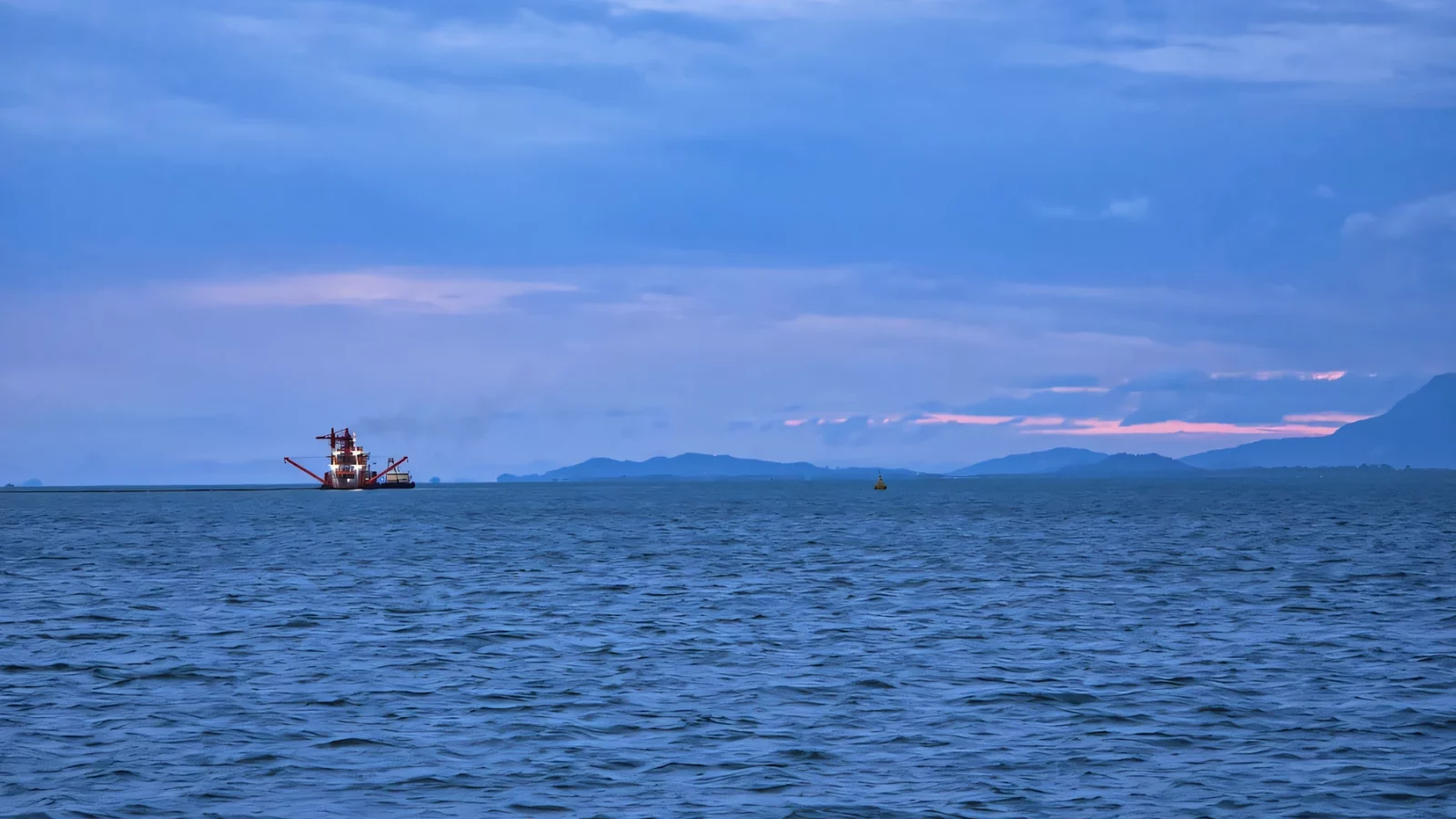
Shell’s Graff-1, TotalEnergies’ Venus-1, Shell’s Jonker-1X, and TotalEnergies’ Mangetti-1X have turned a deepwater prospect into the sort of place investors whisper about like it has already been renamed in a boardroom. The geology is ugly, the water is deep, the kit is expensive, and the numbers are large enough to make everyone from Cape Town to Houston start pretending they always cared about Namibian sovereignty.
The oil arrived before the sermons
The Orange Basin discoveries are not little puddles with a press release attached. Graff-1, found in February 2022, proved there was a working petroleum system off the coast. Venus-1 followed in March 2022 and immediately started attracting the kind of language usually reserved for miracle cures and election promises. Jonker-1X came next in March 2023, then Mangetti-1X in January 2024. Each one made the basin look less like a gamble and more like a very expensive yes.
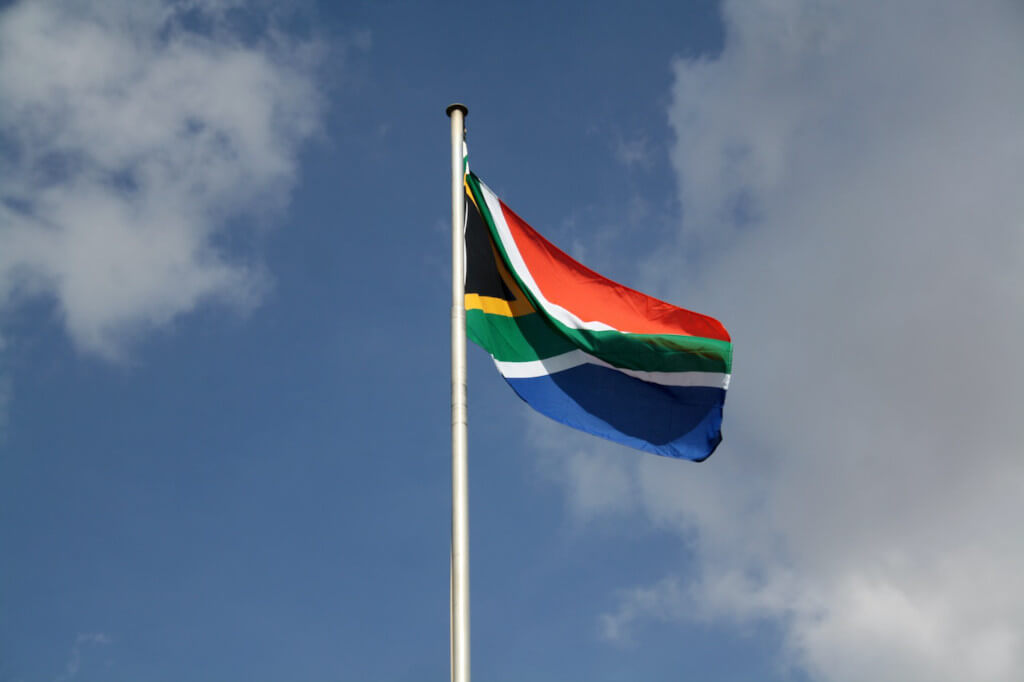
The scale is the real nuisance here. This is world-class light crude territory, the sort of find that can drag a country from regional footnote into the front row of energy politics. First oil is being talked about for 2029 or 2030, which in offshore terms is practically next Tuesday. NAMCOR has stakes in the projects too; even in a commodity bonanza, someone has to remember the national flag exists.
For Namibia, this resource shift changes the entire argument over budgets, ports, roads, and who gets to speak first when the cabinet sits down. For the rest of the market, it is another reminder that the planet still runs on a mix of geology, capital, and people with very expensive boots.
The democracy lane opens automatically
The oil was barely dry on the chart before the moral consultants arrived. This is the standard trick. A country can be ignored for decades, then hit one promising reservoir and suddenly it is receiving urgent advice on transparency, governance, elections, central banks, and all the other things that powerful outsiders only discover when something valuable is underground.
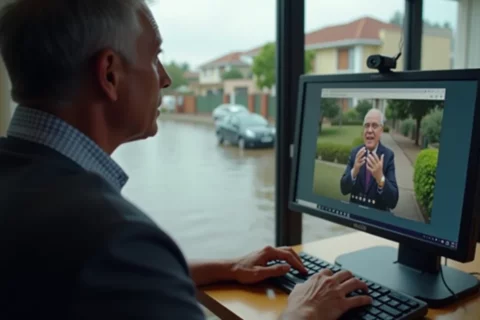
Enter the latest cameo from the world of selective concern: Donald Trump apparently decides Namibia must never have a nuclear weapon and also needs some democracy. Naturally, once a country has oil, the next logical step is to assign it a constitutional tutor from a man who treated diplomacy like a bad reality show pitch.
That is the joke, and it is also the old script. Resource wealth never arrives alone. It comes with a parade of people who insist they are here to help, while quietly asking who signs the contracts, who controls the exports, and whether the new money can be nudged into safe hands. The language is always clean: “Good governance,” “Transparency,” “Institutional strength.” The motive is usually dirtier than the drill mud.
If the language sounds familiar, it should. The continent has seen this movie in different costumes. Oil in Nigeria. Minerals in the DRC. Libya turned into a lecture hall for people who confused intervention with virtue. Every time the money gets interesting, somebody overseas develops a sudden love for democratic principles they could not locate on a map five minutes earlier.
The sovereignty lecture starts on cue
The farce is not that foreign figures care about democracy. The farce is that they only develop that concern when a country has something useful. Before the oil, Namibia was a respectable name in a quiet corner of the continent. After the oil, it is a test case for all the people who believe sovereignty is strongest when it fits inside a foreign balance sheet.
What comes next is predictable enough to write on a napkin. Calls for “independent” watchdogs. Demands for contract disclosure, always framed as public virtue and never as a way to make sure the same firms keep winning. Speeches about elections from people who would outsource their own voting booth if they could. A warning about nuclear ambitions, as if the Orange Basin has just produced a missile silo rather than crude.
This triggers eye-rolling in Pretoria and everywhere else that has watched African resource politics up close. The pattern is too neat. First comes the discovery. Then comes the praise. Then comes the lecture. Then comes the pressure to make sure the wealth behaves in a way that suits everyone except the people living on top of it.
Namibia is being sold as the world’s next energy heavyweight, and on the strength of the Orange Basin, that is not a fantasy. The real test begins when the suits, envoys, and democracy hobbyists realise the country may want to keep more than its oil. It may want its own decisions too.