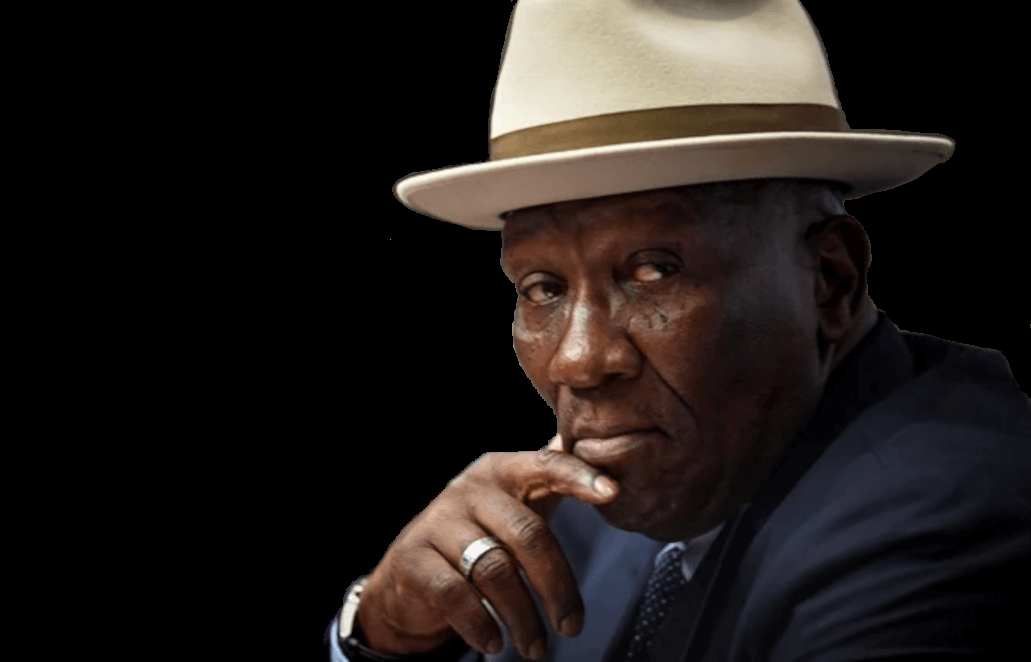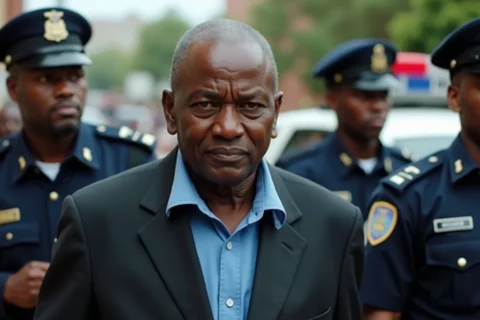

For eight years, the Free State Division of the High Court has maintained a fully funded vacancy. Judge Lepona Lekale has not written a judgment, heard argument, or occupied a courtroom since 2018. His salary clears every month. His Mercedes GLC, petrol card, servicing, and toll account cost taxpayers north of R500,000 annually. The vehicle ferries a man who, by his own tribunal’s account, lost his sight and a leg to diabetes-related illness, to and from traditional healers who reportedly counselled that his vision might return if he simply clung to office. The system did not remove him. It waited, politely, as though incapacity were a weather pattern that might shift with the seasons.
How to Keep a Judge on Ice
The Judicial Service Commission Act lays out a path for removing a permanently incapacitated judge. A complaint reaches the Judicial Conduct Committee. If the JCC sees merit, it escalates to a Judicial Conduct Tribunal. The tribunal hears evidence, reaches findings, and the JSC then recommends removal to the National Assembly, where a two-thirds majority triggers formal discharge by the President. The architecture exists. What happened instead was an eight-year meditation on whether anything needed to happen at all.
Lekale declined medical boarding. The tribunal heard this in July 2026, by which point his absence had spanned two presidential administrations and enough calendar pages to qualify as a decade. The reason given was not legal objection or disputed diagnosis. It was counsel from traditional healers that restoration remained possible, conditional on his remaining a judge. The tribunal was not asked to rule on sangoma efficacy. It was asked to process a man who could not perform the core function of his office, who said so himself through his choices, and who nonetheless kept drawing the full package.
The R500,000 Question
The Mercedes GLC is not a medical device. Petrol for a sightless driver is not transport to work. The R500,000 annual vehicle subsidy is, by any honest accounting, a luxury maintenance programme for someone the system has already accepted cannot judge. Taxpayers fund this not because anyone argues Lekale is capable, but because the machinery of his removal rusted in place.
Meanwhile, the Free State docket backlog compounds itself. Litigants cannot get dates, cases stall for lack of available benches, and a judiciary that begs annually for more appointments has one seat calcified into a pension-with-perks. The JSC has spent years in various postures of concern. The National Assembly, when finally required, will need two-thirds of its members to agree that a blind, amputee judge who has not worked since the Ramaphosa first term should perhaps no longer be paid to not work.
The Optimism Industry
The Lekale case reveals a bureaucracy so allergic to decisive action that it will fund indefinite magical thinking rather than trigger an uncomfortable process. The traditional healer detail is not the joke. The joke is an institutional framework that treats it as a plausible basis for continued salary retention. A private employer facing an employee who cannot perform, who refuses formal assessment, and whose return is predicated on spiritual intervention, would have concluded matters in months. The judiciary, tasked with administering justice for others, granted itself nearly a decade of productive ambiguity.
The tribunal’s July 2026 hearing did not emerge from institutional vigour. It emerged from the accumulated embarrassment of an arrangement too costly to ignore and too awkward to resolve. Eight years of salary. Eight years of vehicle subsidy. Eight years of litigants told the court was full, while one seat remained occupied by a man whose own representatives described him as waiting for sight to return.
What the Receipts Show
The Constitution guarantees judicial independence. It does not guarantee judicial employment regardless of capacity. The two-thirds removal threshold is high by design, protecting judges from political retaliation. It was never intended as a procedural tomb, a standard so demanding that incapacity becomes easier to fund than to adjudicate.
Judge Lekale’s health is not the subject here. The subject is a system that looked at a man who could not see, could not walk without prosthesis, had not entered a courtroom in eight years, and decided the appropriate response was continued optimism and a mid-size SUV. The sangomas did not write the JSC’s rules. They did not schedule the tribunal for 2026. They did not calculate the R500,000 annual vehicle cost and approve it across eight budgets.
That was the judiciary, treating its own dysfunction as someone else’s problem until the bill grew too large to hide. The traditional healers offered hope. The institution offered inertia. Only one of those was paid in public funds.